15 August 2026
3D Printed Board Game Inserts: Organise Your Games and Set Up Faster
Explore practical 3D printed board game inserts for cards, tiles, tokens and expansion-heavy games, with MakerWorld examples and tips for ordering a custom insert from a local maker.
A board game insert is a custom tray system that replaces loose bags and awkward cardboard dividers inside the box. The right insert keeps cards, tokens, tiles and player pieces separated, so game night starts with playing rather than sorting.
A good insert can also make storage easier. Components stay in their compartments, the box closes properly and, for some games, the trays can go straight onto the table during setup.
The examples below are starting points, not guaranteed fits for every edition. Check the model notes, box dimensions, expansions and required hardware before printing.
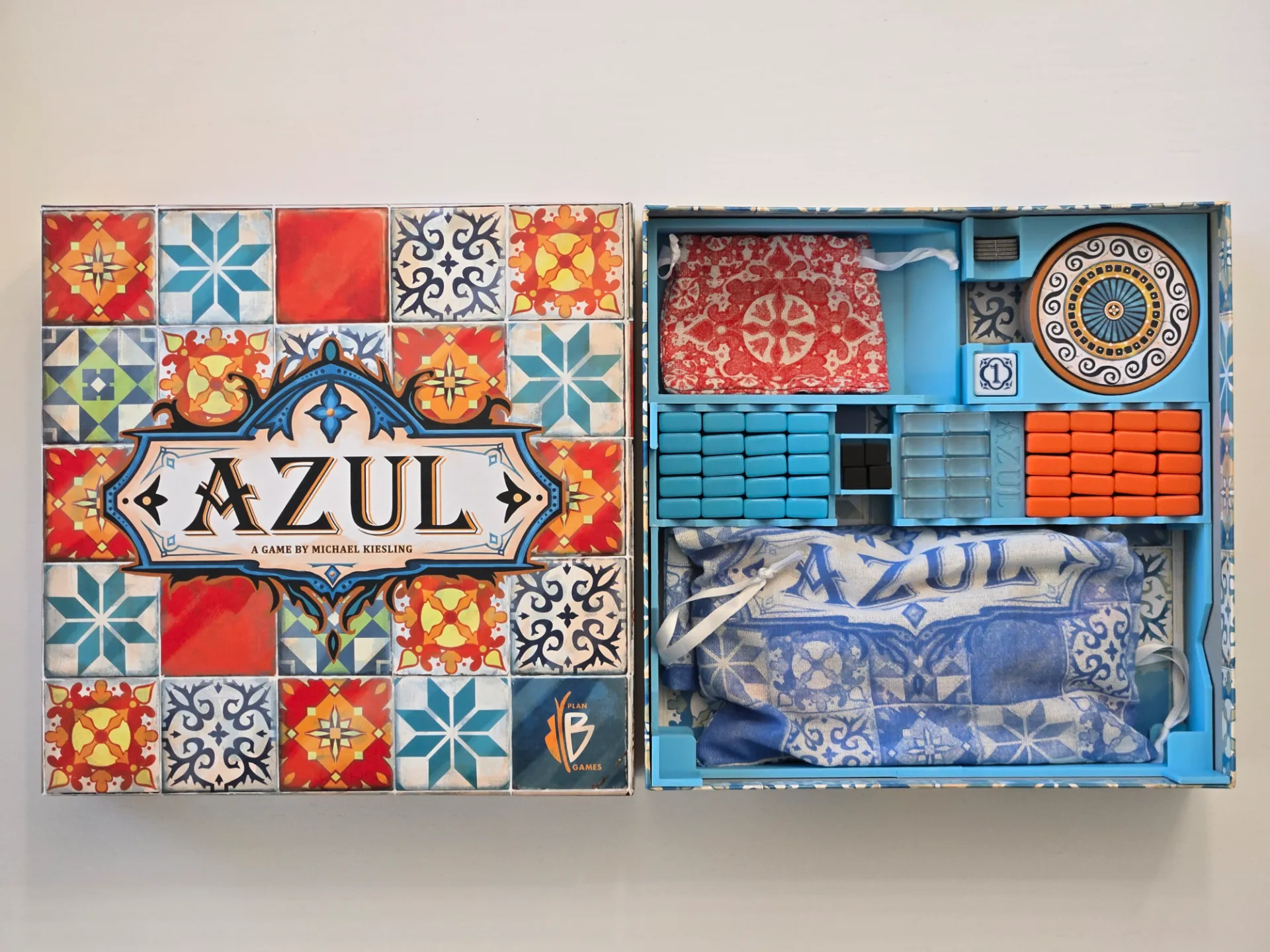
Featured example: Azul with All Expansions Organiser Insert, by BoardGameMeta.
Card games and card-heavy games
Card-focused games benefit from divided decks, removable card trays and dedicated spaces for player pieces. Look for designs that identify card sizes and sleeve compatibility. Sleeved cards can need substantially more room than the original box provides.
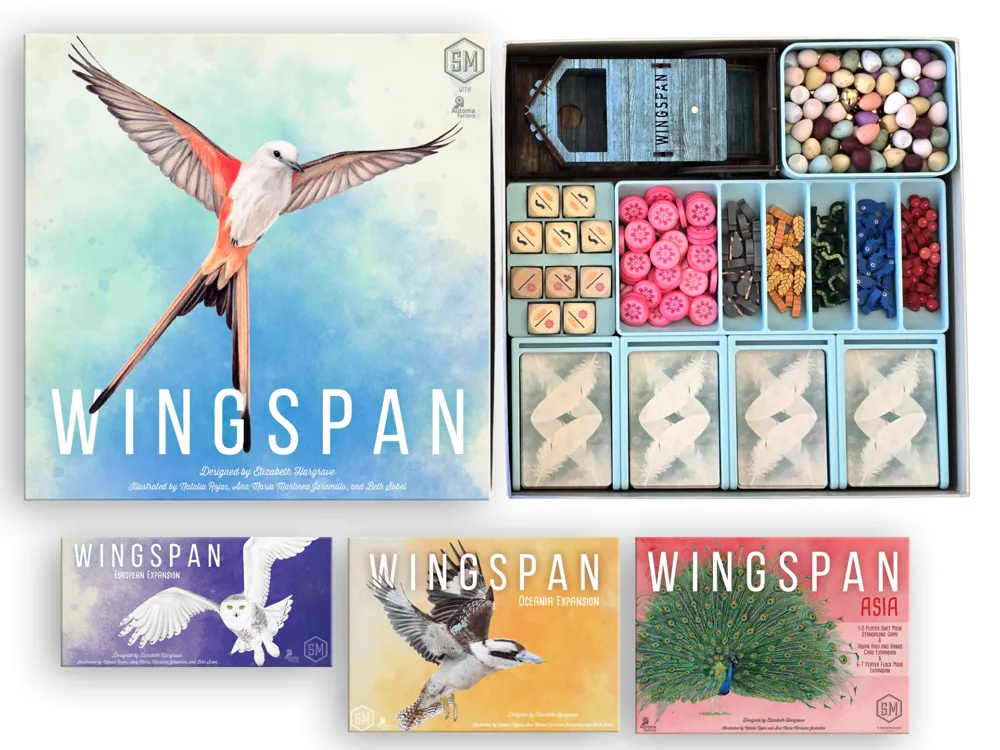
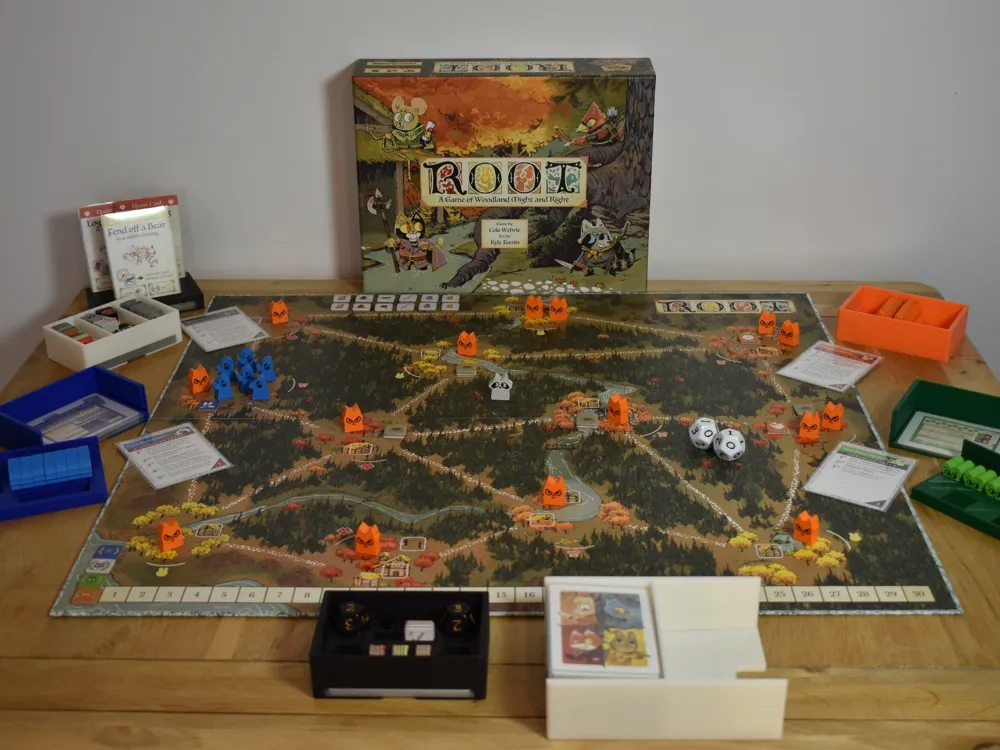
Before printing, check whether the design stores the base game only or includes expansions. Also confirm whether cards are stored vertically, horizontally or in removable deck boxes. That small detail affects both fit and how quickly the game can be set up.
Tiles, pieces and resource tokens
Tile-laying and resource-management games often have many small components that are easy to mix together. Separate wells for player colours, resource types and map tiles make the box much easier to manage.
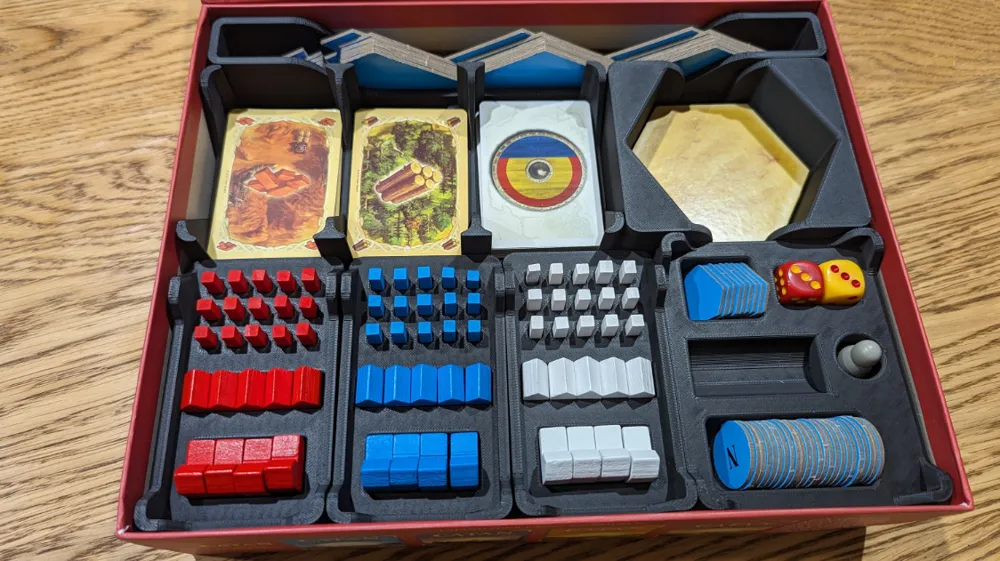
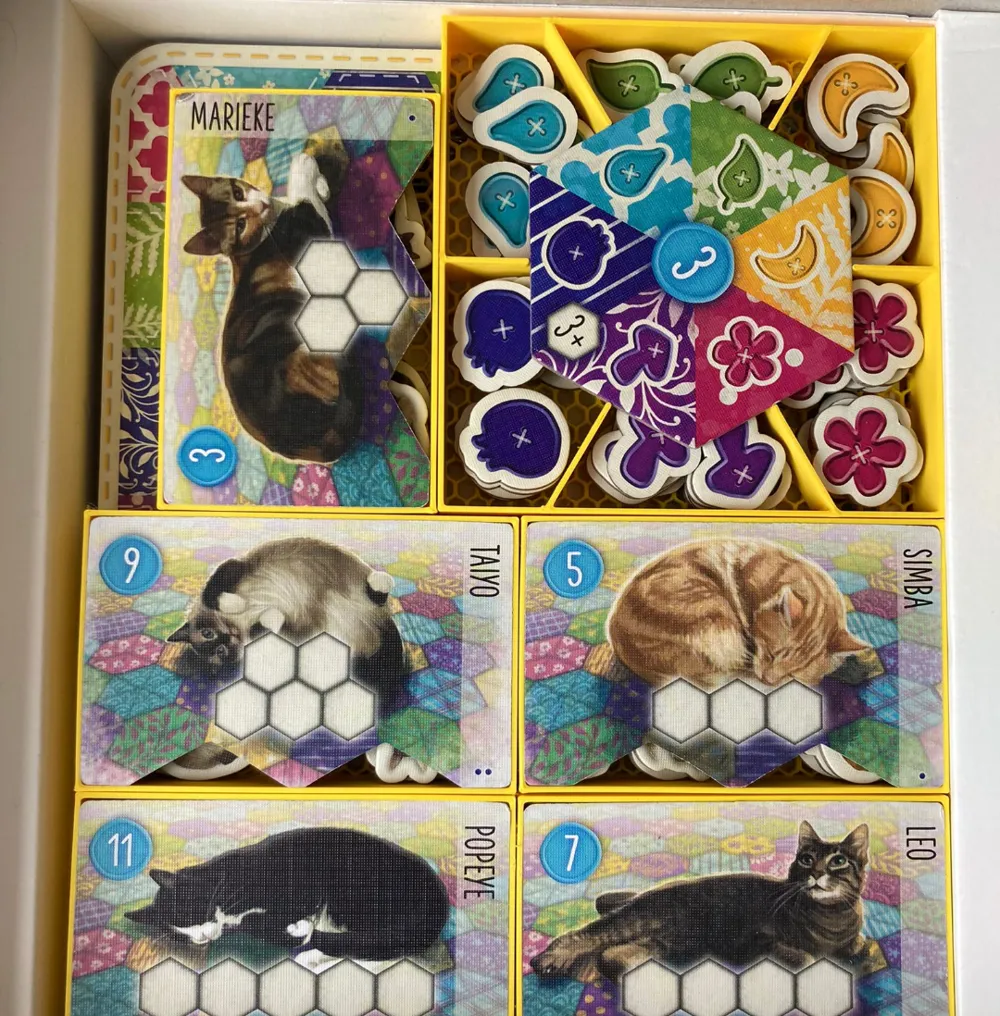
For games with different player counts, prioritise an insert that keeps unused pieces separate. A removable tray is more useful than a single large compartment because it can be placed beside the board without emptying the whole box.
Strategy and engine-building games
Longer strategy games tend to combine cards, player boards, tokens, money and specialist pieces. A well-planned insert reduces the number of containers on the table and helps each player find their own components.
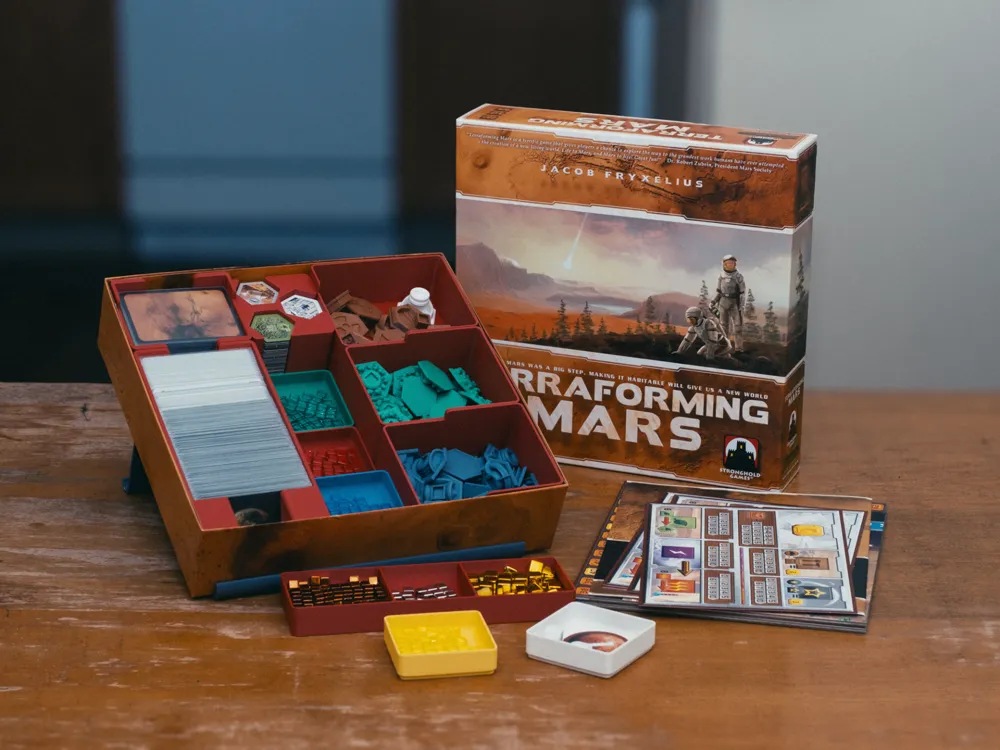
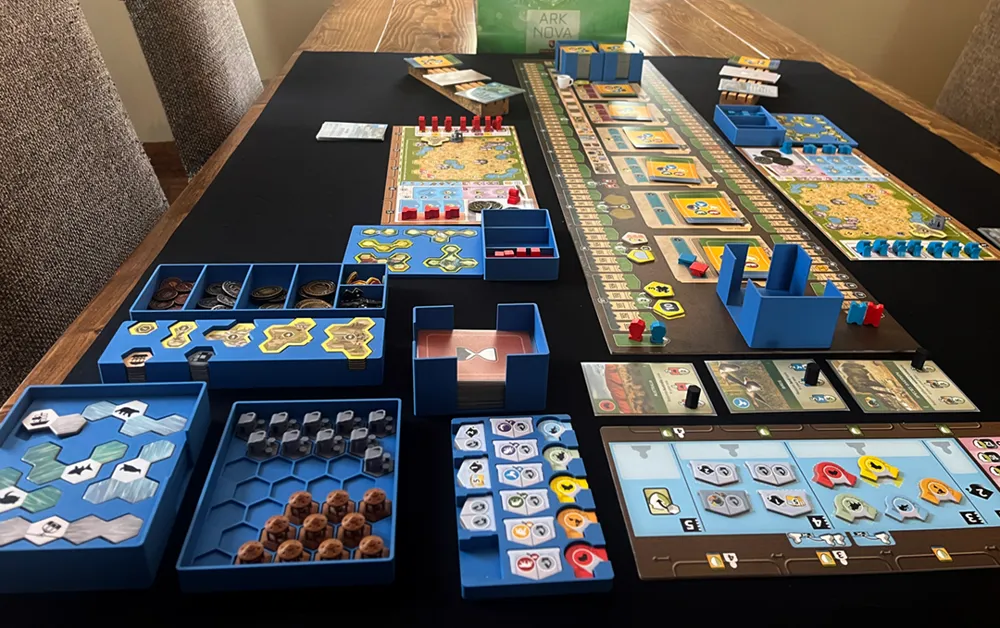
Check the design against your exact edition and expansion list. Some inserts are designed around a specific box layout, while others trade a little capacity for flexibility. If you regularly add expansions, leave room for future components rather than filling every millimetre.
Campaign and expansion-heavy games
Games that grow over several sessions need storage that can handle changing component lists. Expansion-ready inserts, labelled trays and removable dividers are especially useful when the game includes multiple decks or sets of scenario pieces.
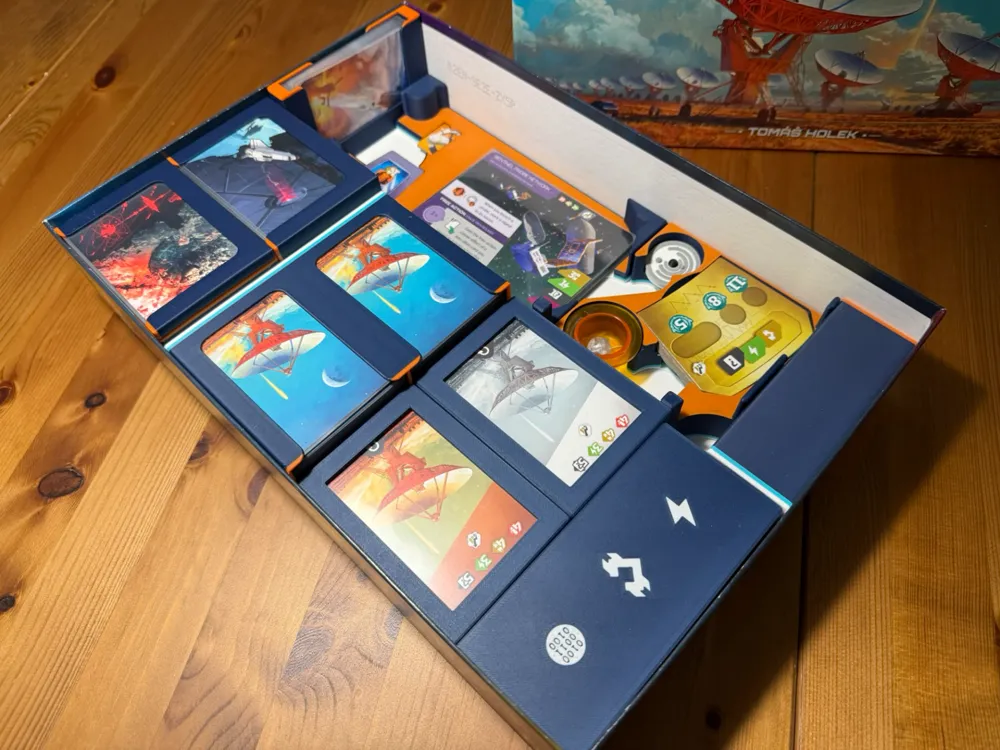
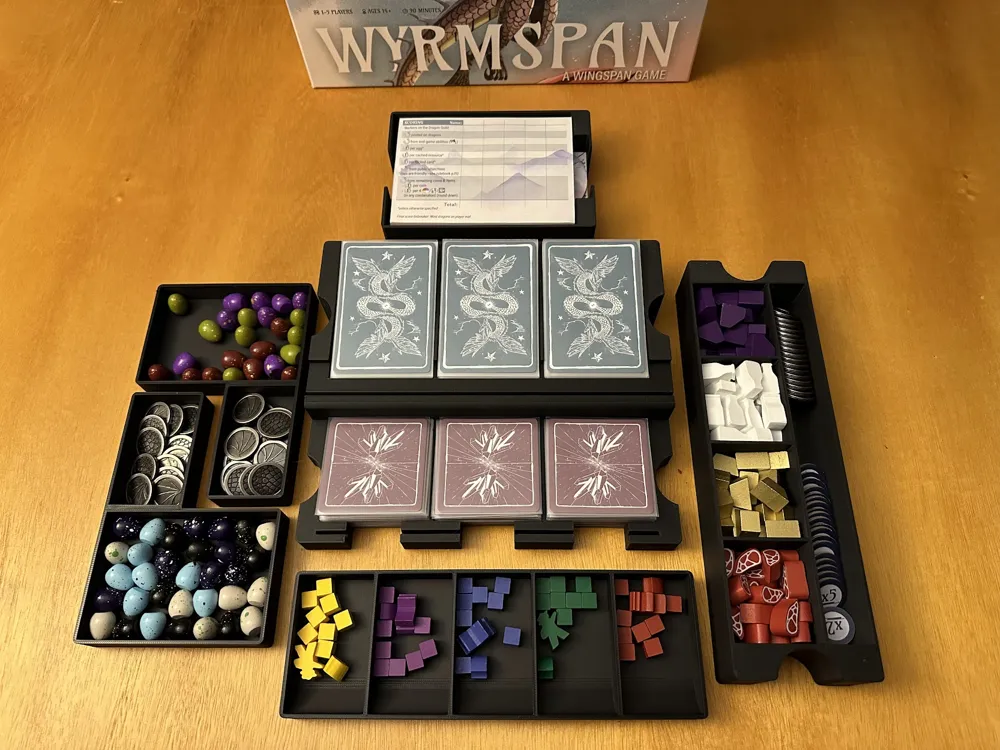
For a campaign game, avoid permanently mixing components that are meant to remain hidden or sealed. A tray with a lid, a labelled box or a dedicated compartment can protect the surprise and make it easier to pack away between sessions.
Tactile enhancements and accessibility upgrades
Some 3D printed additions do more than organise components. They can change how a game feels to play by adding tactile feedback, distinct tokens, textured surfaces or physical controls that are easier to find and use. For example, the Sky Team enhancement adds insert-friendly switches and buttons to the game board, while the Cascadia organiser creates a more immersive way to handle the game’s tiles, tokens and habitat pieces.
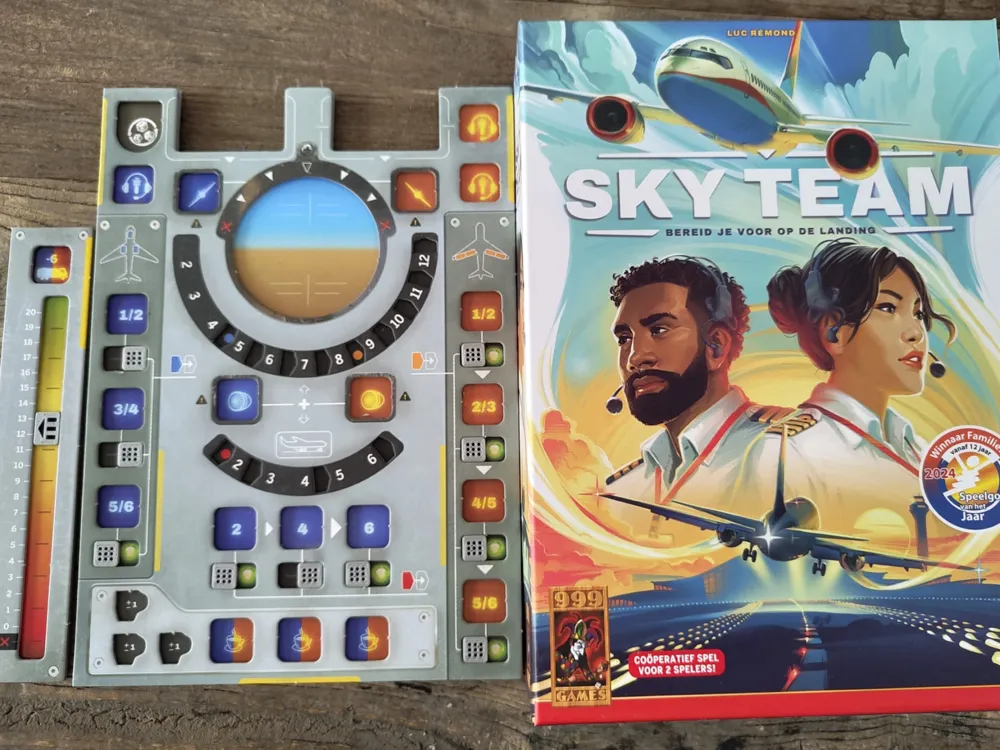
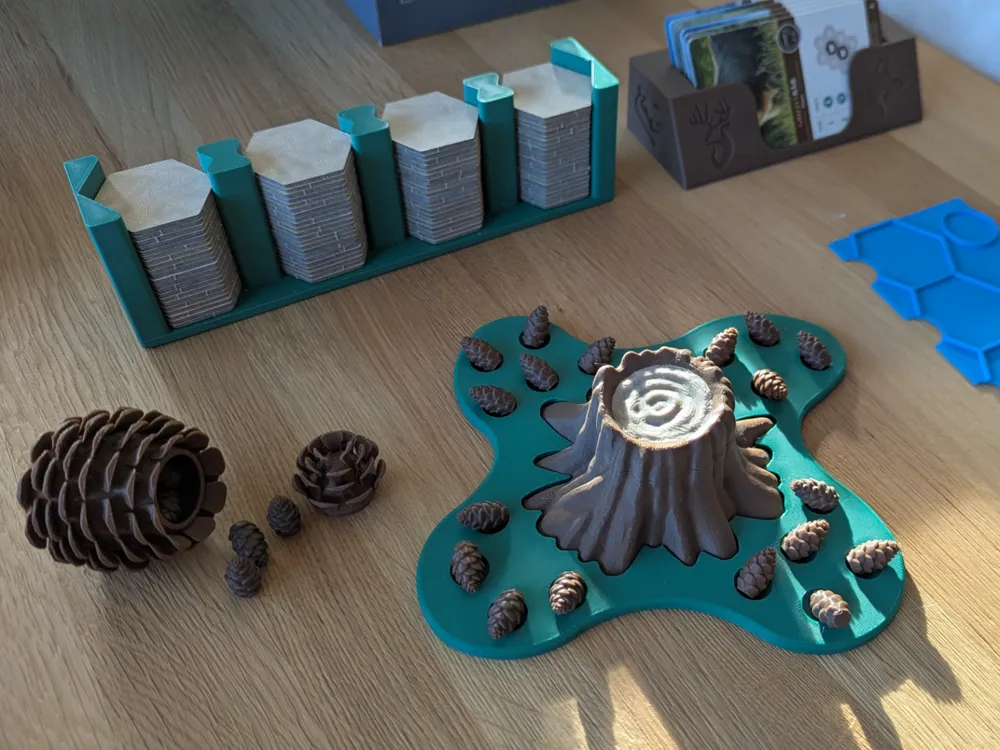
Enhancements like these may require additional hardware, wiring or assembly beyond a standard printed insert. Check the model description, compatibility with your edition and any required switches before ordering or printing. Tactile cues can be useful for players who benefit from clearer physical feedback, but they should complement rather than replace the game’s normal rules and components.
Choosing a material and print finish
PLA is usually a sensible choice for an indoor board game insert. It is easy to print, available in many colours and stiff enough for trays and dividers. For the finish, matte PLA is the strongest default: its soft, low-reflective surface helps hide layer lines and gives the insert a smoother, more refined appearance. It also keeps the printed parts visually quiet, allowing the board game’s artwork and components to remain the feature.
PETG is worth considering for flexible clips, parts that will be handled roughly or an insert that may sit in a warm room, but glossy or highly reflective finishes can draw attention away from the game itself. Use rounded edges where pieces are handled often, and choose colours that complement the board and artwork rather than competing with them. A local maker can also split a large insert into smaller parts if your printer bed or storage space is limited.
Check these details before ordering
- Confirm the exact game edition and expansions.
- Measure the inside of the box, including lid depth.
- Check whether cards are sleeved and note the sleeve brand if known.
- Confirm that the insert supports your player count and component mix.
- Read the model notes for print orientation, tolerances, magnets and hardware.
- Ask for a test piece or sample tray when the fit is critical.
The MakerWorld designs above are inspiration, not an assurance that a particular version will fit your collection. Read the author’s notes and licence before printing or commissioning a copy.
Get a board game insert printed near you
Need an insert adjusted for sleeved cards, a missing expansion or a particular box size? Browse local 3D printing services and send the maker the game edition, expansion list, box measurements and a link to the design you like. A local provider can help check the fit, choose a suitable material and print the parts in a colour that suits your collection.