17 October 2026
3D Printing for Small Businesses: From Idea to Prototype
Use 3D printing to test product ideas, fixtures and customer samples without ordering a large production run.
3D printing gives a small business a practical way to test an idea before spending on tooling, stock or a large production run. You can make a physical sample, put it in someone’s hands and find problems while changes are still inexpensive.
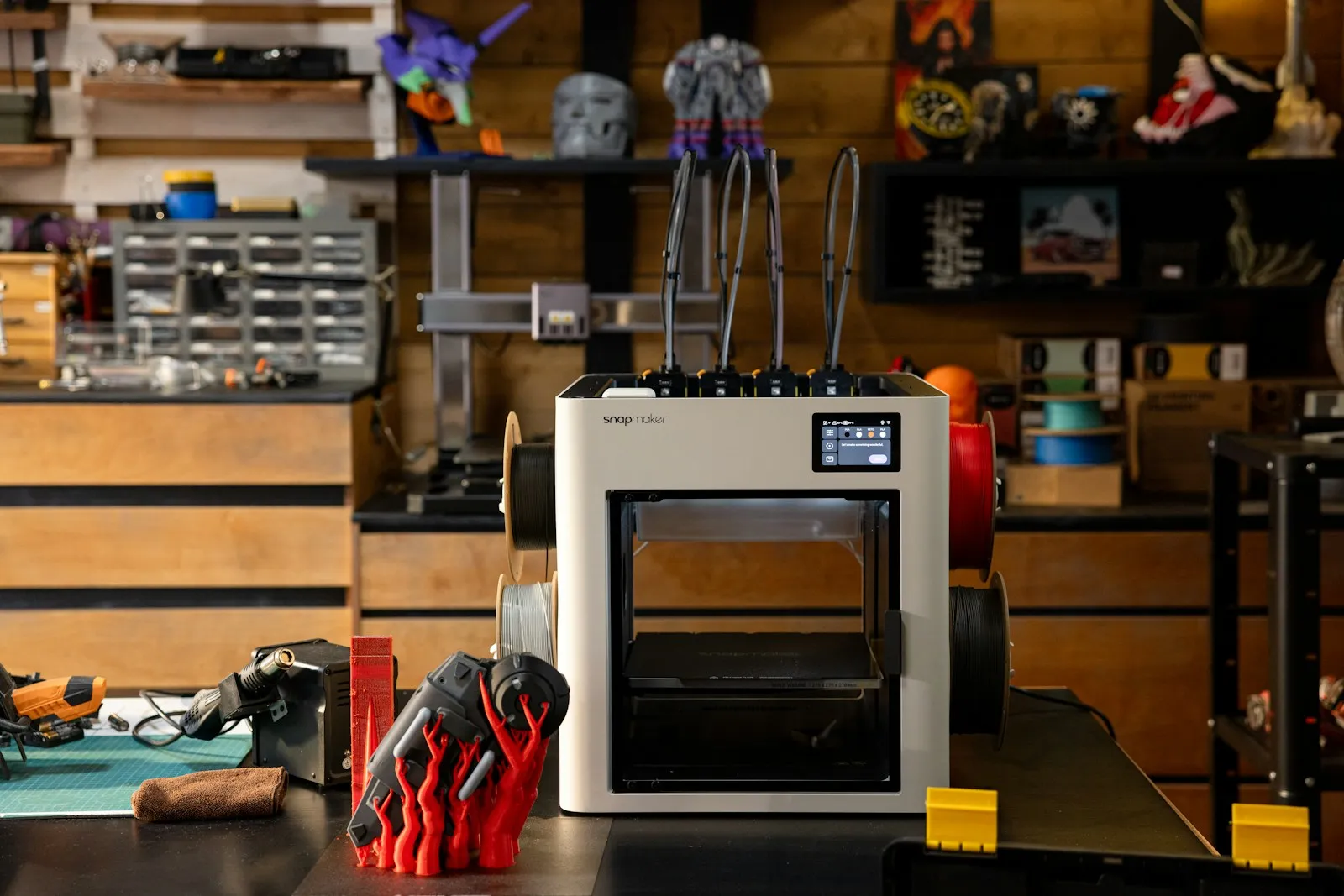
A local 3D printing service can also help when you need a small batch of jigs, fixtures, display pieces or customer samples.
What makes a good first project?
Start with a problem that is specific and easy to inspect. Useful first projects include:
- a product mock-up for a customer or investor discussion
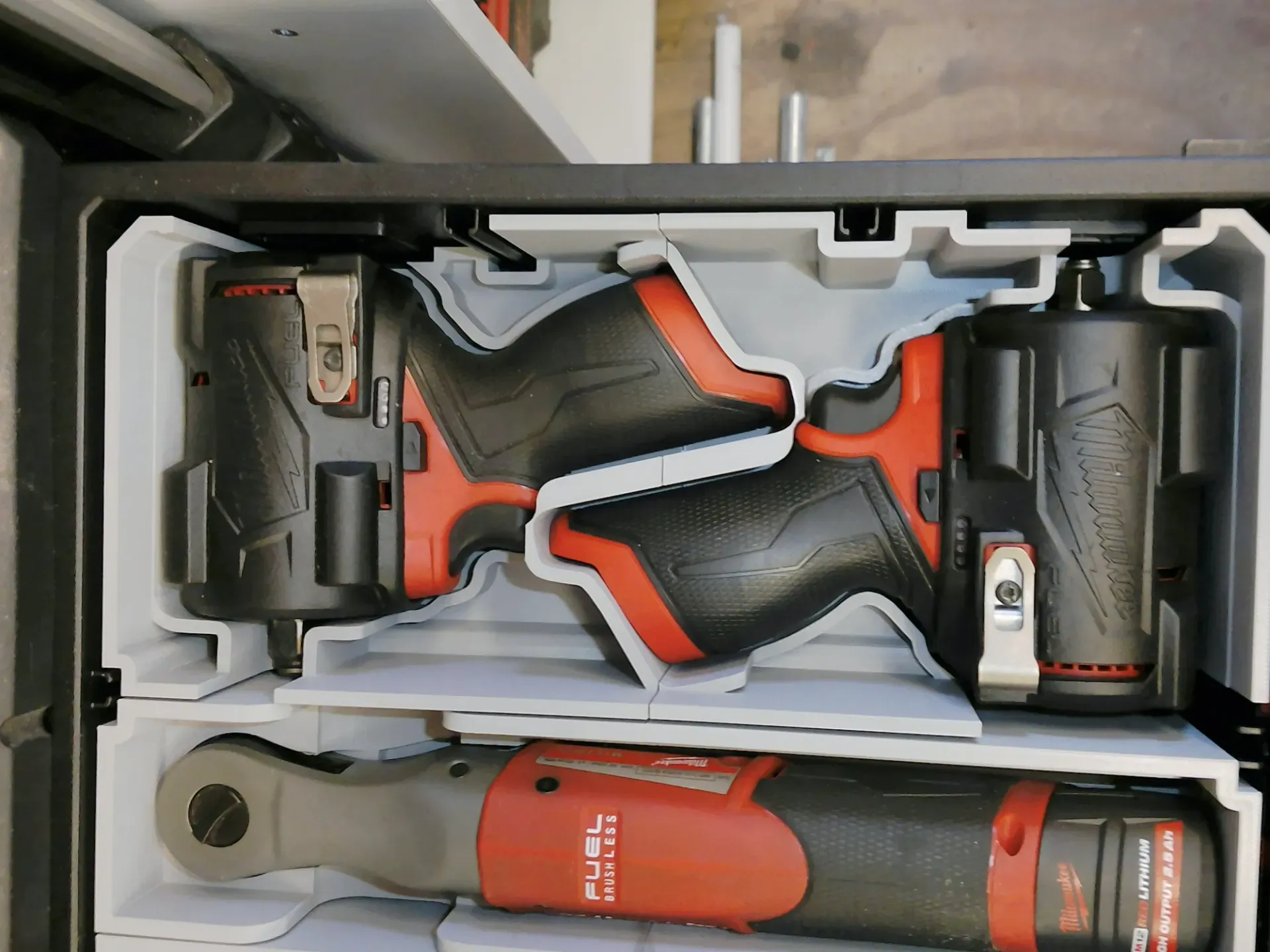
- a jig that holds parts in a repeatable position
- a bracket, spacer or guide for a workshop
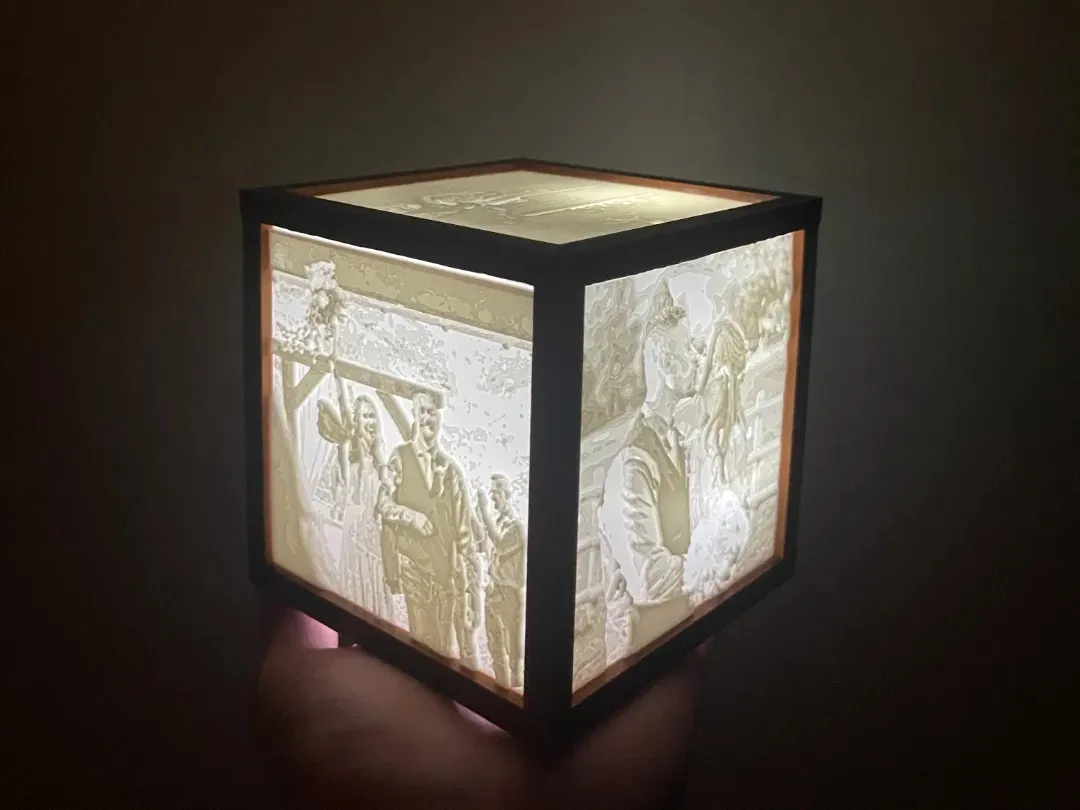
- a display stand or point-of-sale sample
- a small run of test units for feedback
Avoid beginning with a complex part that combines many unknowns. A smaller first version gives you useful information about size, fit, strength and finish before you spend more.
Decide what you need to learn
Write down the decision the prototype needs to support. You might be testing whether the product fits in a hand, whether two components assemble, whether a label is readable or whether a mounting pattern works.
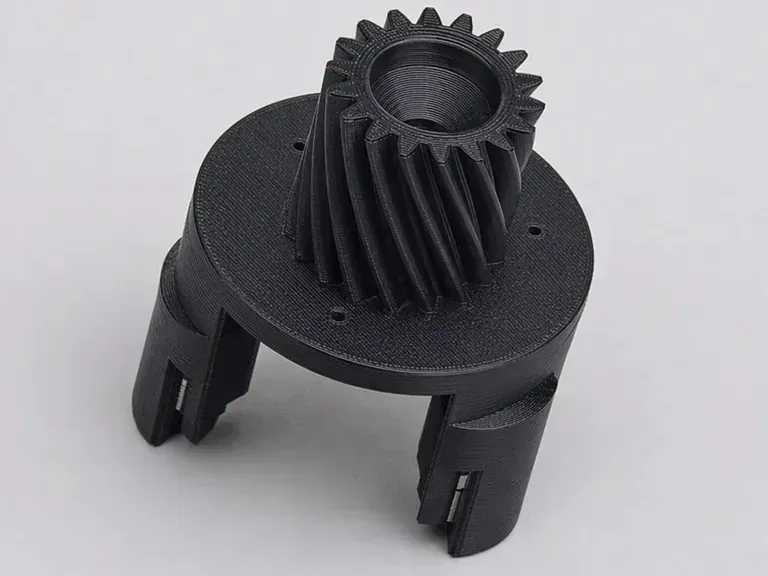
This affects the prototype. A visual model may only need the right shape and proportions. A functional test may need working clearances, threaded holes, stronger material or multiple versions.
Prepare a useful brief
Send the maker the model file and explain what must be accurate. Include:
- the intended use and environment
- the critical dimensions and fit surfaces
- the number of versions or units
- the preferred colour and finish
- what you want to compare between versions
- the date you need the samples
If the design may change, include a STEP file as well as an STL or 3MF when available. The editable CAD file can make dimension changes easier.
Plan for more than one version
The first print is often a learning tool rather than the final product. Ask whether the maker can produce two or three variations with a changed dimension, wall thickness or mounting feature.
A short test cycle is usually more useful than trying to perfect every detail in the first file. Record what changed between versions so the feedback remains clear.
Think about material and finish
PLA can suit an indoor visual prototype or display sample. PETG may be more appropriate for a tougher functional test, while ASA can be worth discussing for outdoor exposure. The right choice depends on heat, sunlight, moisture, load and the required surface finish.
Tell the maker what the part needs to survive rather than choosing a material from its name alone. They can then explain the trade-offs between cost, strength, appearance and print time.
Find a local maker
Browse the 3D printing services directory and compare providers who mention prototyping, CAD support, functional parts or small-batch work. Ask how they handle design changes, test prints, finishing and delivery.
A good brief helps the provider quote accurately and gives you a better chance of receiving a prototype that answers the business question you actually need to solve.